
Discovering the Best Ways to Enhance Your Home’s Airflow
Installing a ceiling fan in your home can help you improve air circulation and comfort. It is not just about selecting the right fan; it’s also about proper installation to maximize its efficiency. A well-installed ceiling fan can reduce energy costs, enhance room aesthetics, and provide year-round comfort. This guide will provide practical tips for efficient air circulation through ceiling fan installation, helping you achieve the best results for your living space.
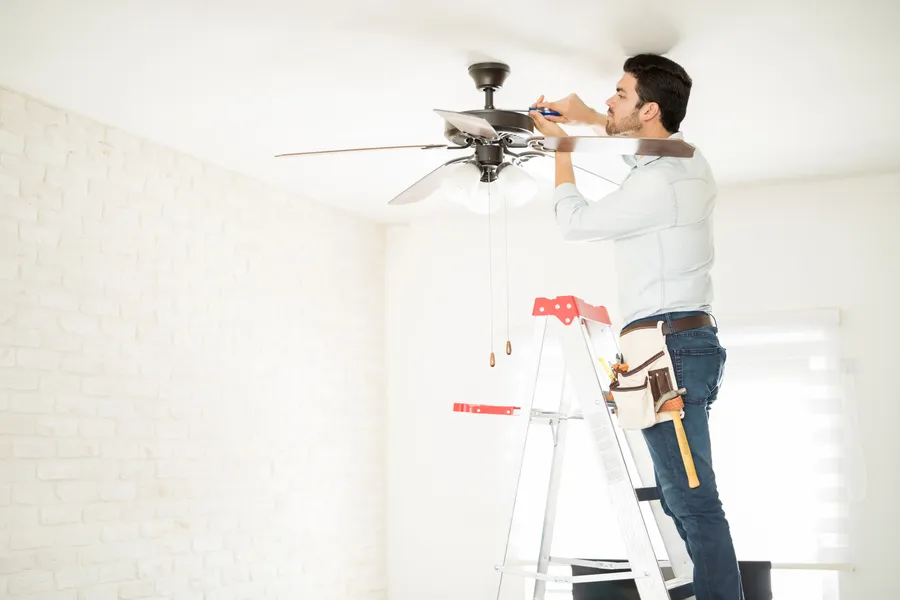
Choosing the Right Ceiling Fan for Your Space
Selecting an appropriate ceiling fan involves considering factors like room size, ceiling height, and style preference. Larger rooms require larger fans to move air effectively. For standard-sized rooms, fans with blade spans between 48-56 inches often work best. If your ceiling is higher than average, consider using a downrod to position the fan at an optimal height.
Placing Your Ceiling Fan Correctly
Proper placement of your ceiling fan significantly impacts its performance. Ideally, install the fan in the center of the room or above main seating areas to ensure even airflow distribution. To maximize effectiveness, the blades should be positioned at least 8 feet above the floor and 10-12 inches below the ceiling. Following these guidelines ensures optimal air movement and energy efficiency.
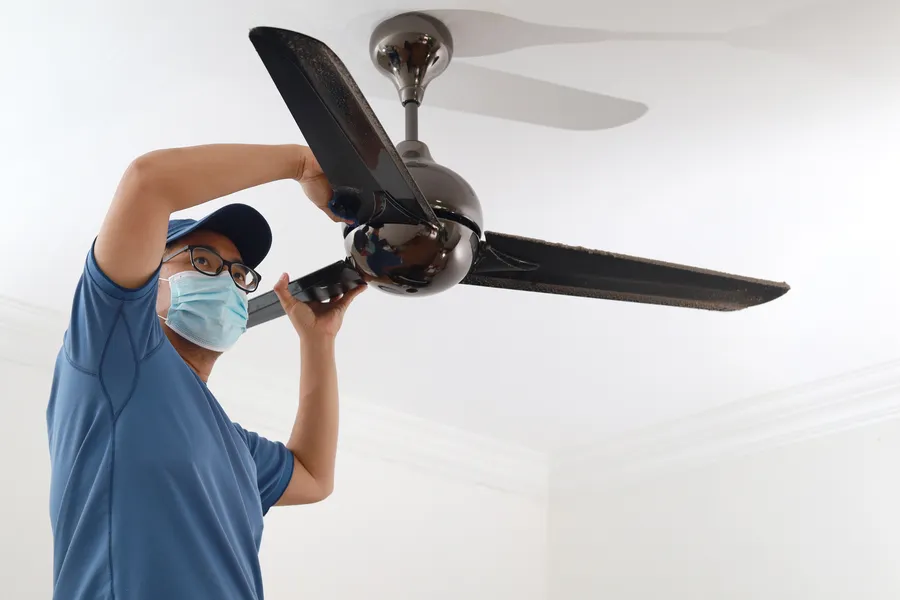
Steps for Successful Ceiling Fan Installation
Implementing Ceiling Fan Installation requires following specific steps for safety and functionality:
- Turn off power to avoid electrical hazards.
- Attach mounting bracket securely to ceiling.
- Connect wiring as per manufacturer’s instructions.
- Install fan blades and light fixtures if included.
- Check balance and test operation before finishing up.
These actions are essential to achieving a safe and effective installation.
Troubleshooting Common Ceiling Fan Issues
Even with correct installation, problems might occur. Common issues include wobbling fans, excessive noise, and unresponsive controls. Ensure that all screws are tight if your fan wobbles. Use lubrication on moving parts if there is noise. Recheck wiring connections if controls do not respond. Addressing these problems promptly enhances longevity and performance.
Maintaining Your Ceiling Fan for Long-Term Efficiency
Regular maintenance keeps your fan running smoothly. Clean dust from blades monthly to maintain balance and airflow. Check for loose screws and tighten them periodically. Consider scheduling professional inspections yearly to ensure all parts function correctly. Consistent upkeep prevents major repairs and extends the lifespan of your fan.
The Cost Benefits of Installing a Ceiling Fan
A ceiling fan is a cost-effective solution for enhancing comfort without hefty energy bills. Unlike air conditioners, which consume more electricity, fans circulate air efficiently, creating a wind-chill effect that makes the room feel cooler. By using fans in conjunction with your HVAC system, you can raise thermostat settings while maintaining comfort, leading to significant cost savings over time.
Final Thoughts on Air Circulation Solutions
Efficient air circulation starts with thoughtful ceiling fan selection and expert installation practices. Remember these tips as you plan your project: choose the right fan size, position it correctly, and maintain it regularly. For professional assistance with ceiling fans in Houston, TX, contact our team at Golden Service Electric. Our experts are ready to help-call us today at (832) 346-4083 for further support and information.